Santee highlight
Strong residential character
Santee's 60,000 residents live in established neighborhoods with schools, local services and stable housing that reflect community planning since the city's 1980 incorporation.
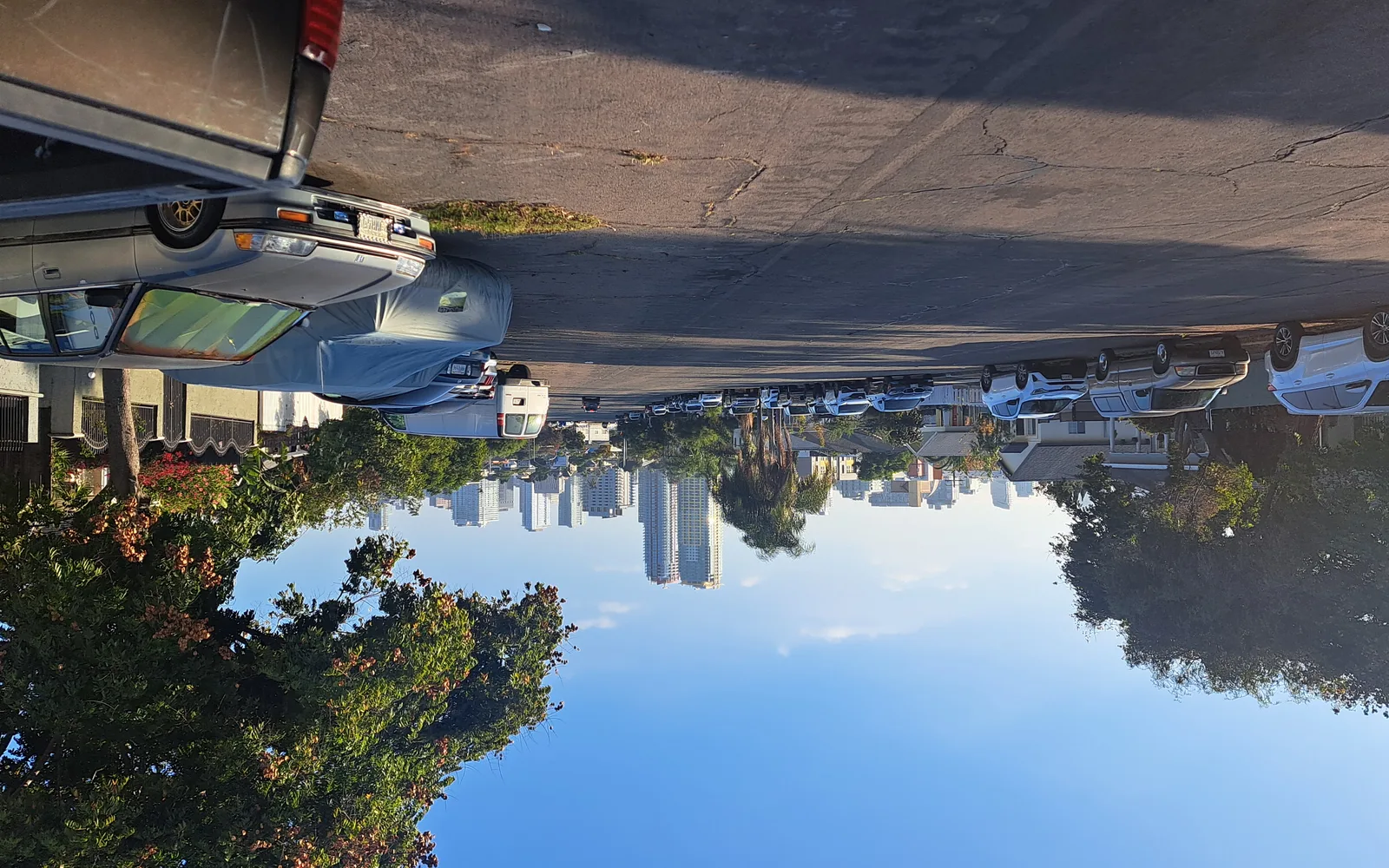
Since its incorporation in 1980, Santee has developed as a residential community designed around family needs and stability. The city's 2020 census counted approximately 60,000 residents living in roughly 21,000 households, with a median age of 39 years and a high percentage of married-couple families. The neighborhoods reflect planning decisions made over four decades: tree-lined streets, schools within walking distance for many neighborhoods, shopping districts anchoring community hubs, and parks distributed throughout the city.
The San Diego River creates natural boundaries and preserved open space that separates Santee's neighborhoods from industrial areas and provides a greenbelt running through the city. Residential development was guided after incorporation to maintain the suburban character that drew families there in the first place. Housing options range from single-family homes to townhomes and apartments, and the city's demographic profile shows strong representation across ages and family types—young families with children, established households mid-career, and retirees who have chosen to age in place in communities they know.
Life insurance planning for a Santee household starts with the mortgage on the home, the children in the local schools, and the year-to-year expenses of maintaining a standard of living in an established community. A term policy that covers a mortgage, provides for children until independence and replaces income during the working years is the practical application of commitment to a household and a place. That is the job of term life insurance: to keep a family's chosen life together if the primary earner is not there to maintain it.